
去
🇹🇼🇭🇰🇨🇳🇯🇵🇰🇷
Depicts opening the mouth (口) wide (大) to let a yawn leave the mouth. Original form of 呿.
Components
Notes
Sign in to add your own note
Historical Evolution

去
Oracle
(~1250-1000 BC)
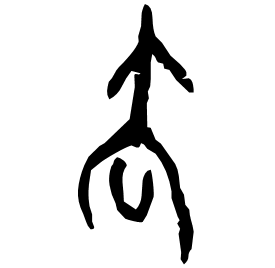
去
Oracle
(~1250-1000 BC)
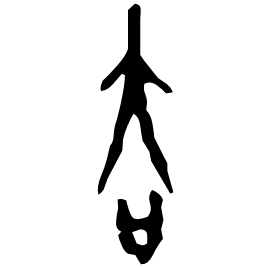
去
Oracle
(~1250-1000 BC)
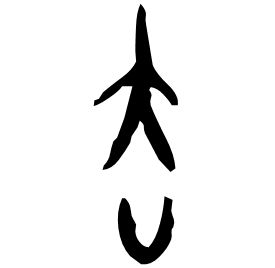
去
Oracle
(~1250-1000 BC)

去
Bronze
Late Spring and Autumn (~500 BC)
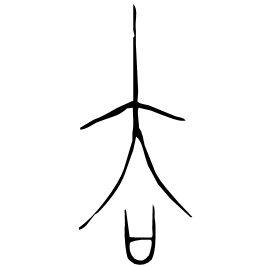
去
Bronze
Late Warring States (~250 BC)
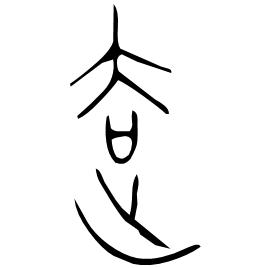
去
Bronze
Late Warring States (~250 BC)
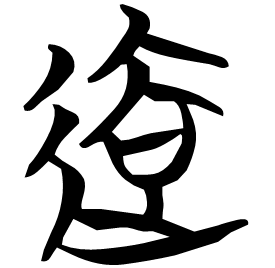
去
Seal
Chu (Warring States: 475-221 BC)
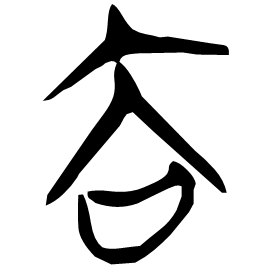
去
Seal
Chu (Warring States: 475-221 BC)
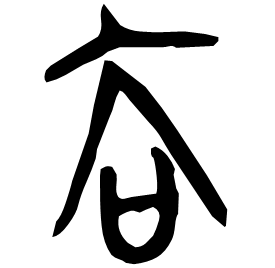
去
Seal
Chu (Warring States: 475-221 BC)

去
Seal
Shuowen (~100 AD)
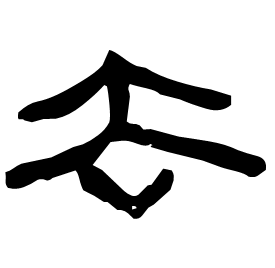
去
Clerical
Qin dynasty (221-206 BC)
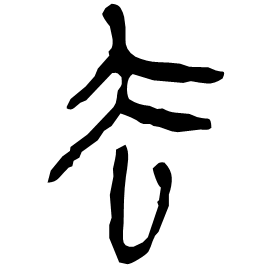
去
Clerical
Qin dynasty (221-206 BC)
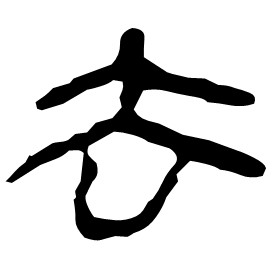
去
Clerical
Western Han dynasty (202 BC-9 AD)
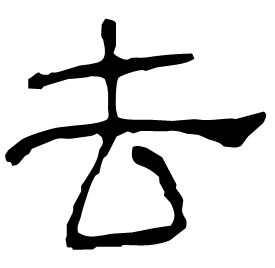
去
Clerical
Eastern Han dynasty (25-220 AD)

去
Clerical
Eastern Han dynasty (25-220 AD)
去
Regular
Modern
Chinese
去 [qù]
to go; to go to (a place); (of a time etc) last; just passed; to send; to remove; to get rid of; to reduce; to be apart from in space or time; to die (euphemism); to play (a part); (when used either before or after a verb) to go in order to do sth; (after a verb of motion indicates movement away from the speaker); (used after certain verbs to indicate detachment or separation)
Example Sentences
CHINESE WORDS (200)
过去 [guòqù] #272
(in the) past
过去 [guòqù] #272
(in the) past
去年 [qùnián] #1,469
last year
出去 [chūqù] #310
to go out
下去 [xiàqù] #435
to go down
失去 [shīqù] #533
to lose
回去 [huíqu] #427
to return
进去 [jìnqù] #494
to go in
进去 [jìnqù] #494
to go in
看上去 [kànshangqu] #588
it would appear
190 more
items
JAPANESE WORDS (147)
⭐ 過去 [かこ] #853
the past
⭐ 去る [さる] #1,055
to leave
⭐ 去年 [きょねん] #2,327
last year
⭐ 立ち去る [たちさる] #3,480
to leave
消え去る [きえさる] #5,376
to disappear
走り去る [はしりさる] #6,230
to run away
⭐ 置き去り [おきざり] #6,610
leaving behind
⭐ 連れ去る [つれさる] #6,829
to take (someone) away
過ぎ去る [すぎさる] #7,771
to pass
消し去る [けしさる] #9,049
to get rid of
137 more
items